
The American Eagle and the American Ultimate Flags are central icons that encapsulate the United States' heritage, values, and resilience. The American Eagle, depicted on the Great Seal and currency, symbolizes strength, freedom, and the nation's determination, with its outstretched wings representing readiness to defend American ideals. The 13 stripes and 50 stars on the American Ultimate Flags reflect unity and resilience, signifying America's evolution from 13 original colonies to a diverse nation, while also serving as a daily reminder of valor, purity, and justice. Both symbols are deeply ingrained in American culture and identity, transcending mere decoration to become tangible embodiments of the country's collective aspirations and shared values, uniting its people both domestically and on the international stage. These emblems project America's authority, adherence to democratic principles, and commitment to its ideals across the globe, influencing perceptions of American identity in a complex world.
The American Eagle and Flag stand as enduring symbols of the United States, encapsulating the nation's heritage, values, and might. This article delves into the rich tapestry of meaning these icons hold, exploring their historical roots, cultural significance, and contemporary roles in shaping American identity both domestically and on the global stage. From their earliest representations to modern interpretations, the American Eagle and Flag serve as a powerful testament to the country's strength and resolve. Join us as we examine the dual emblem of U.S. power that these symbols have become, and understand their profound influence on American pride and international relations.
- The Symbolism of the American Eagle and Flag: A Dual Emblem of U.S. Power
- Historical Roots: The Evolution of the American Eagle and Flag as National Icons
- Cultural Significance: How the American Eagle and Flag Represent America's Strength
- Contemporary Perspectives: The American Eagle and Flag in Modern American Identity and Foreign Relations
The Symbolism of the American Eagle and Flag: A Dual Emblem of U.S. Power

The American Eagle and the American Flag are potent symbols that together encapsulate the power, history, and ideals of the United States. The eagle, a creature of great strength and majesty, has long been a representative of freedom and independence in American culture. As depicted on the national emblem, the bald eagle, with its spread wings and vigilant gaze, symbolizes the nation's resilience and courage. Its flight across the national seal conveys the country's ability to rise above challenges and soar to new heights. The eagle's presence in the US seal is a reminder of the sovereignty and authority vested in the American republic.
The American Flag, with its stripes representing the original 13 colonies and its stars symbolizing the 50 states, stands as a vivid testament to national unity and identity. The reds, whites, and blues not only signify valour, purity, and justice but also articulate the nation's commitment to these principles. The flag's enduring presence in public spaces, ceremonial occasions, and personal displays across the country underscores the collective power of American citizens bound by a shared destiny. Together, the American Eagle and the American Flag serve as a dual emblem that reflects the United States' strength, unity, and indomitable spirit. These symbols are not mere decorations but are tangible expressions of the nation's values and aspirations, a reminder of the collective power that unites the American people.
Historical Roots: The Evolution of the American Eagle and Flag as National Icons

The American Eagle and Flag are enduring symbols of the United States, each with a rich historical tapestry that reflects the nation's values, heritage, and power. The origins of the American eagle can be traced back to ancient times when eagles were revered across various cultures for their strength, vision, and majesty. In Roman mythology, the eagle was a symbol of Jupiter, representing sovereignty and strength, much like the American bald eagle came to symbolize America's rise as a nation. The Great Seal of the United States, adopted in 1782, features an emblematic eagle holding olive branches and arrows, signifying peace and war. This national emblem was later codified on the reverse side of the American dollar coin in 1905, solidifying its place as a quintessential symbol of the country.
The American flag has undergone several iterations since its initial design, reflecting significant moments in American history and the evolving identity of the nation. The first flag, adopted by the Continental Congress on June 14, 1777, bore thirteen stars and thirteen stripes, representing the original thirteen colonies. Over the years, as new states joined the Union, the flag was modified to include additional stars and a different number of stripes until it settled at fifty stars and thirteen red stripes against a blue field with white stars. This final design, established in 1960 after Hawaii became the fiftieth state, has become a global icon of American unity and pride. Both the American Eagle and Flag have transcended their original purposes to embody the collective aspirations of the country, serving as potent visual reminders of America's legacy and ongoing influence in the world.
Cultural Significance: How the American Eagle and Flag Represent America's Strength

The American Eagle and the American Flag are emblematic icons that encapsulate the spirit, history, and values of the United States. The eagle, a powerful symbol of strength and freedom, has been a part of American heraldry since the Great Seal was adopted in 1782. As the national bird, it represents the federal government's resolve and independence, much like the country itself. The eagle's sharp eyesight is often associated with the vigilance of the nation, watching over its citizens and its sovereignty. Its spread wings symbolize the readiness to defend the country's ideals and its territorial expanse.
The American Flag, with its stripes representing the original 13 colonies and its stars symbolizing the 50 states, is a visual chronicle of unity and resilience. The flag has been a silent witness to America's triumphs and trials, a potent reminder of the nation's strength in diversity and unity of purpose. Each star and stripe carries the weight of American history, from the revolutionary war to contemporary movements for civil rights and beyond. Both the American Eagle and the American Flag serve as tangible reminders of America's power and its indomitable spirit, inspiring a sense of pride and collective identity among its people. They are not merely symbols but are deeply rooted in the cultural fabric that binds Americans together, symbolizing the enduring legacy and the undaunted resolve of a nation.
Contemporary Perspectives: The American Eagle and Flag in Modern American Identity and Foreign Relations
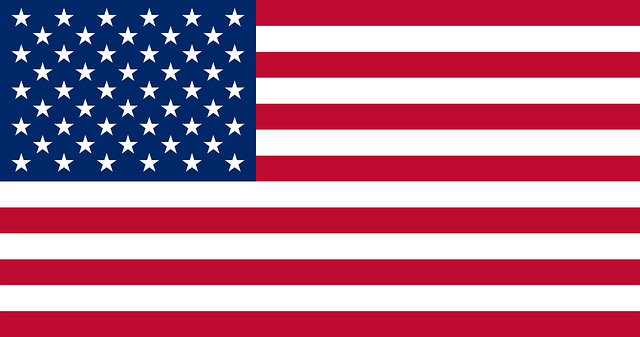
The American Eagle and Flag hold significant symbolic meaning within contemporary American identity and foreign relations, embodying the nation's power and ideals. In modern discourse, the American Eagle, depicted as it soars with strength and majesty on the national emblem and currency, represents the country's resilience and adaptability. It is a visual metaphor for American ingenuity and resourcefulness, often invoked in discussions of national character and values. Similarly, the American Flag, with its thirteen stripes and stars, serves as a powerful emblem of unity and diversity within the nation. Its presence is felt across the United States, from state capitals to private homes, and beyond its borders, acting as a beacon of freedom and democracy. In foreign relations, the flag and eagle are potent symbols in diplomatic communications, signifying American authority and commitment to international norms. They are often seen at embassy openings, treaty signings, and during state visits, underscoring the nation's intent and presence on the global stage. The interplay of these symbols with contemporary issues, such as national unity in times of crisis or diplomatic negotiations, continues to shape American identity both domestically and internationally. Their enduring relevance is evident in the way they transcend political and cultural divides, serving as a testament to the collective aspirations and shared values of the American people.