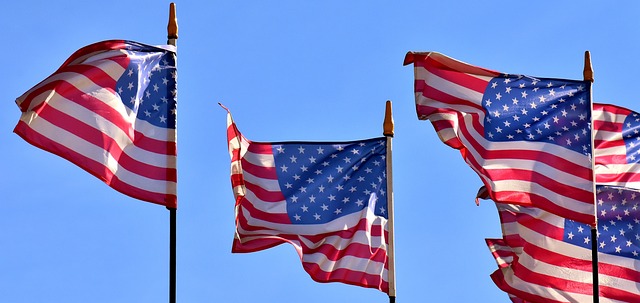
The American Eagle and American Ultimate Ultimate Flags are iconic symbols deeply embedded in the cultural and historical identity of the United States. Representing freedom, resilience, and national pride, these symbols encapsulate America's values, including unity across diverse states and citizens. The eagle, with its powerful wings and keen vision, signifies the nation's independence and commitment to vigilance, while the American Flag's historical colors—red for bravery, white for purity, and blue for vigilance, perseverance, and justice—reflect the country's enduring legacy and its global standing. Both symbols together are a testament to American sovereignty, democracy, and the collective aspirations of all Americans. The American Flag, also known as the Stars and Stripes, features 50 stars representing the states in seven rows, mirroring the 13 original colonies, and symbolizes national unity and endurance. These emblems are not just symbols; they are cultural touchstones that evoke a shared sense of identity among citizens, transcending societal divides to unite people under common banners of history, achievements, and aspirations. They serve as visual and emotional rallying points for collective pride and are instrumental in promoting a sense of unity through shared values and experiences, solidifying the role of these symbols in embodying American civic identity.
The American Eagle and the Stars and Stripes flag together encapsulate the enduring spirit of the United States. This article explores the profound symbolism of these national emblems, delving into their historical significance and the artistic detail that shapes America's visual identity. Emphasizing their role in fostering a sense of unity and sovereignty, we examine how the American Eagle and Flag represent U.S. power and resolve, and the impact they have on national pride and identity. Join us as we unravel the story behind these icons that are deeply woven into the fabric of American history and culture.
- The Symbolism of the American Eagle and Flag: A Dual Emblem of U.S. Power and Sovereignty
- Historical Roots: The Evolution of the American Eagle and Its Connection to National Identity
- The Artistry Behind the Stars and Stripes: Design Elements That Represent American Resolve and Strength
- Analyzing National Pride: How the American Eagle and Flag Foster a Sense of Unity and Power Among Citizens
The Symbolism of the American Eagle and Flag: A Dual Emblem of U.S. Power and Sovereignty

The American Eagle and the American Flag serve as enduring symbols of the United States, each capturing distinct aspects of the nation's power and sovereignty. The American Eagle, with its majestic wings spread, embodies the strength and freedom that are synonymous with America. Its sharp eyes symbolize vigilance and foresight, representing the country's watchful guardianship over its values and ideals. The eagle's bold flight signifies the nation's ability to soar above challenges, reflecting a spirit of resilience and determination. As a national emblem, it stands as a symbol of unity and diversity coalescing under one banner.
The American Flag, with its thirteen horizontal stripes representing the original colonies and fifty stars symbolizing the states in the Union, is another powerful emblem that underscores American identity. The flag's colors—red for valor and courage, white for purity and innocence, and blue for vigilance, perseverance, and justice—are deeply entwined with the nation's ethos. The flag, which has flown in every major conflict since the 18th century, is a testament to the U.S.'s military might and its role as a global power. Together, the American Eagle and the American Flag stand as dual emblems of the United States' enduring power and unwavering sovereignty, capturing the essence of American strength and the spirit that has shaped this nation's destiny.
Historical Roots: The Evolution of the American Eagle and Its Connection to National Identity

The American Eagle, a powerful symbol woven into the fabric of the United States' national identity, has deep historical roots that stretch back to ancient Greece and Rome, where eagles were revered for their majesty and strength. This avian emblem was officially adopted as part of the Great Seal of the United States in 1782, signifying the new nation's sovereignty and independence. The great heraldic eagle depicted on the seal and the American Flag holds a unique position in American culture, representing the country's resilience and vigilance with its head facing towards the olive branch of peace in one claw and the arrows of war in the other. Over time, the image of the eagle has evolved, yet it retains its significance as an enduring symbol of freedom and national pride. The connection between the American Eagle and the American Flag is a testament to the country's enduring values and ideals, encapsulating the spirit of unity and democracy that defines America. As these symbols have journeyed through history, they have come to represent not just the power of the United States but also the shared heritage and collective aspirations of its diverse populace.
The Artistry Behind the Stars and Stripes: Design Elements That Represent American Resolve and Strength

The Stars and Stripes, affectionately known as the American Flag, is a potent emblem of unity and resilience that has flown over the United States since its official adoption in 1777. Its design, a field of white stars on a blue background with alternating red and white stripes, encapsulates the artistry and symbolism deeply rooted in American heritage. The fifty white stars, each representing a state within the union, are arranged in seven horizontal rows, reflecting the 13 original colonies that declared independence from Britain. This geometric pattern and color scheme serve as a visual representation of American resolve and strength, embodying the diverse yet cohesive spirit of the nation.
The American Eagle featured on the flag's obverse is a powerful symbol of freedom and power. With its wings spread wide and talons gripping an olive branch and arrows, it embodies both the peace and the preparedness for conflict that have been pivotal to America's history. The eagle's vigilance and majesty are not just a nod to its avian nature but also to the country's unwavering guardianship over its ideals. The 13 stars above the eagle in the flag's top left corner are a testament to the original states, while the 13 stripes below symbolize the original colonies' unity under a common cause and the thirteen articles of their Articles of Confederation. Together, the American Eagle and the flag it adorns stand as enduring symbols of America's power, reflecting its history, aspirations, and the unyielding spirit of its people.
Analyzing National Pride: How the American Eagle and Flag Foster a Sense of Unity and Power Among Citizens

The iconic imagery of the American Eagle and the American Flag serves as a potent emblem of unity and power within the United States, deeply embedded in the nation's cultural and historical fabric. These symbols evoke a sense of shared identity among citizens, fostering a collective pride that transcends regional, ethnic, and socio-economic differences. The American Eagle, with its majestic presence and symbolism of freedom and strength, resonates with the national character, often used in official capacities to represent the country's sovereignty and resilience. Similarly, the stripes and stars of the American Flag carry a rich heritage that dates back to the nation's founding, each element carefully designed to convey ideals of liberty, justice, and democracy. Together, these symbols stand as a testament to the collective spirit of the American people, unifying them under a common banner that celebrates their collective history, achievements, and aspirations.
The visual representation of national pride is further amplified through public displays, ceremonies, and educational institutions where both the American Eagle and the American Flag are prominently featured. These symbols play a crucial role in civic rituals such as parades, naturalization ceremonies, and patriotic events, reinforcing the idea of a cohesive nation with a shared destiny. The American Flag, in particular, is an enduring beacon that has weathered the test of time, becoming a universal sign of solidarity and a symbol against which many rally for common causes. The unity fostered by these icons extends beyond mere visual recognition; it is a living, breathing representation of the collective identity of Americans, inspiring a sense of pride and empowerment that resonates across generations.